1. Perón and Evita, an era characterized by a unique form of homegrown fascism.
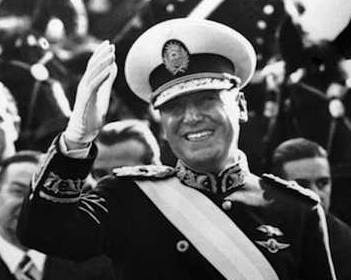
General Perón is a pivotal figure in Argentine history, so influential that the 'Peronist movement' endures, with the Peronist Party, i.e., the Justicialist Party, remaining a dominant political force. Some even humorously dub Argentina as ‘Peronistan'.
Juan Domingo Perón rose through the ranks of the military GOU (Group of United Officers), orchestrating coups and edging ever closer to power. His studies in Italy during the 1930s brought him face-to-face with the rise of Mussolini and Hitler, figures who deeply fascinated him. Appointed Minister of Labor following one such coup, Perón forged strong ties with unions and their leaders. He swiftly grasped the power of worker popularity, pioneering a brand of populism previously unseen among military or political figures.
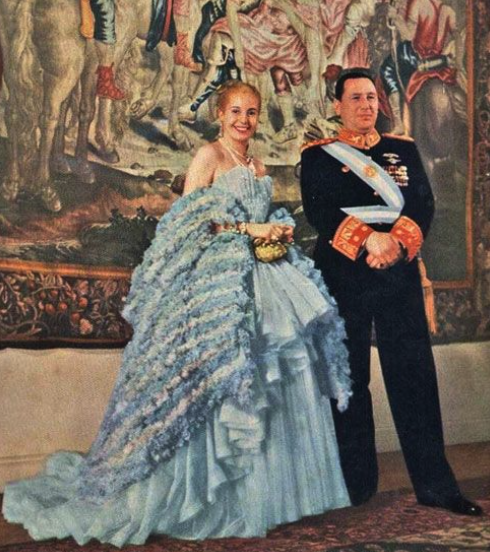
It was during this transformative period that he met Eva Duarte, a young aspiring actress gaining fame through her radio shows and connections with the Argentine elite. Eva, born into poverty and out of wedlock, harbored deep resentment towards the wealthy. Excluded from her father’s funeral by his legitimate family, she was determined to take from the rich and give to the poor, embodying the spirit of a modern social justice warrior. It was Eva who persuaded Perón to run for president, a campaign that led to his victory in the 1946 democratic elections.
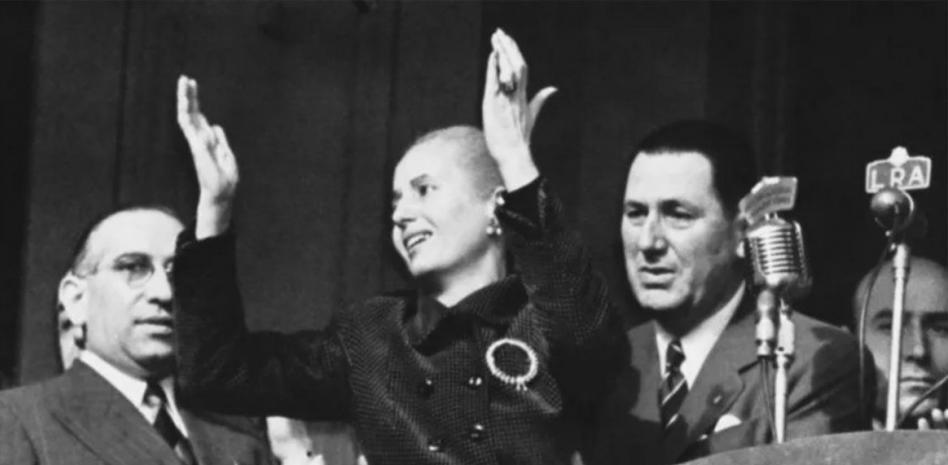
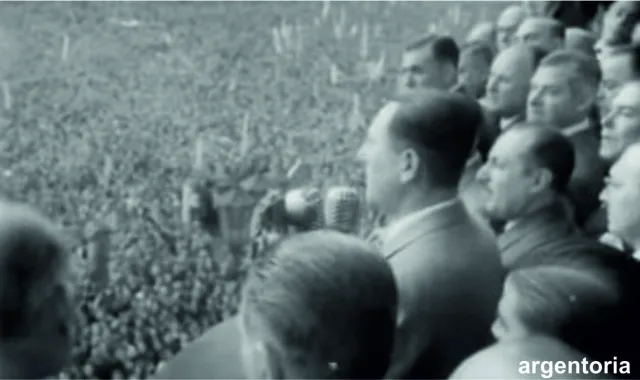
Along with ‘social justice’, ‘fighting capital’ was the main propaganda slogan. Thus, the railways, telephone companies, the Central Bank, public utilities, etc. were nationalised. They now belonged to the people. If you had a dissident thought you were likely to be shut down, expropriated or imprisoned.
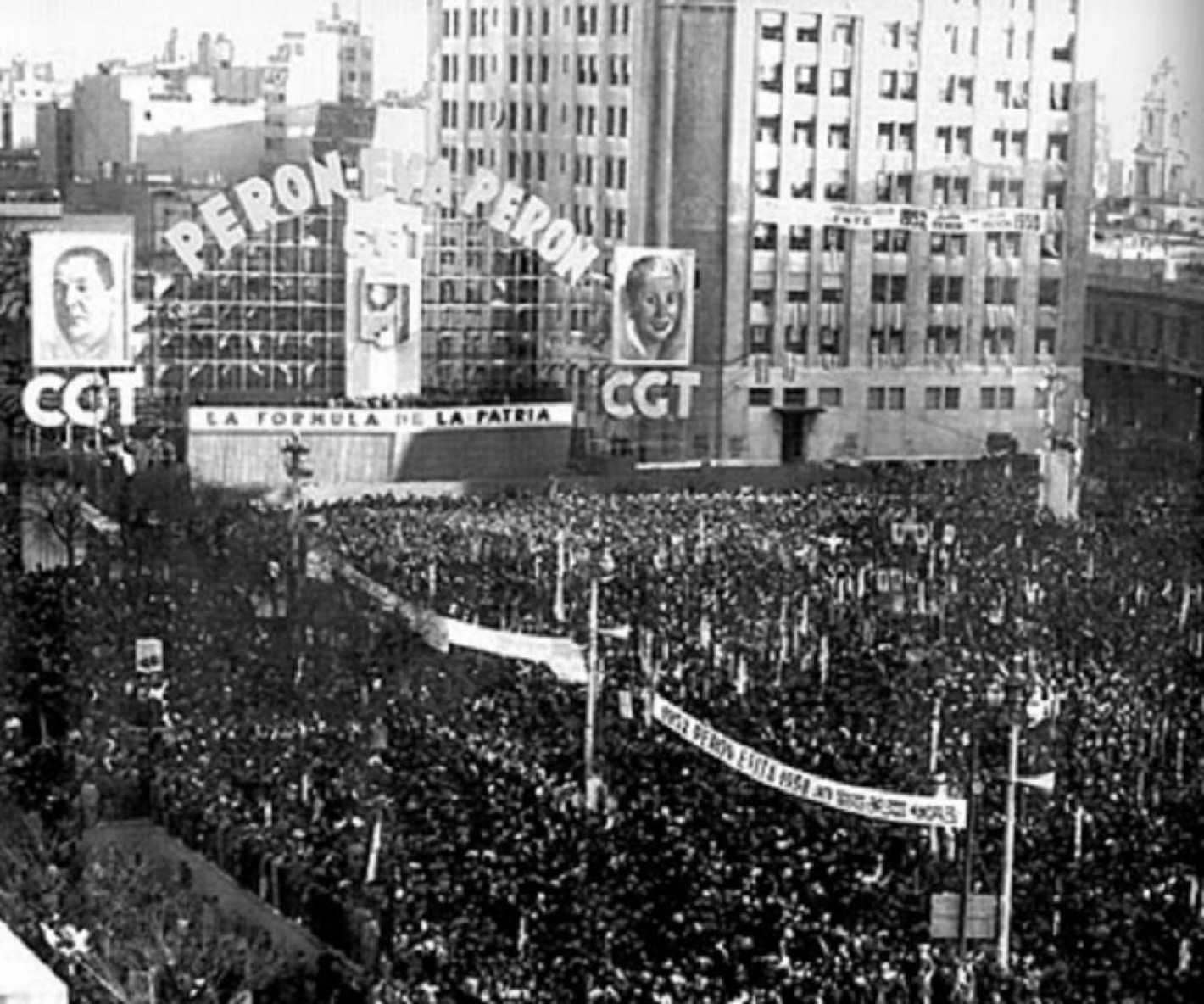
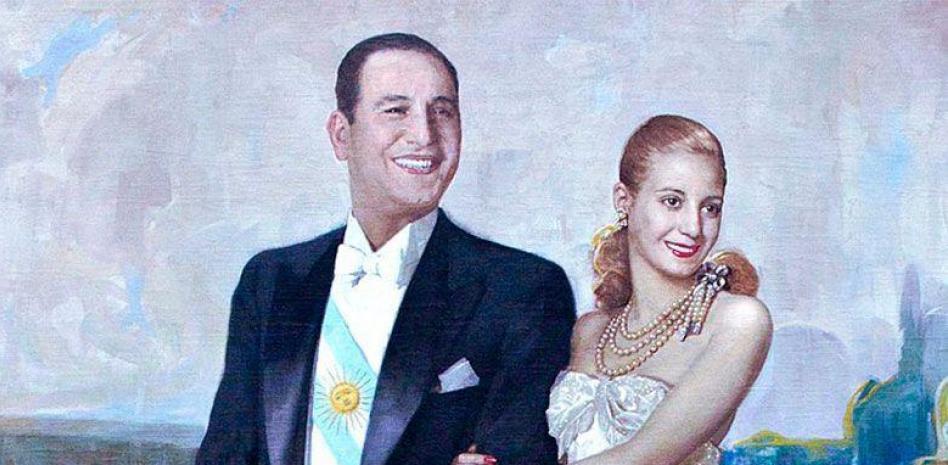
It is often narrated that upon Perón's ascension to power, the central bank aisles were ‘not walkable’ due to the abundance of gold bars stored there. However, by the end of his presidency, much of this gold had vanished and the central bank was empty.
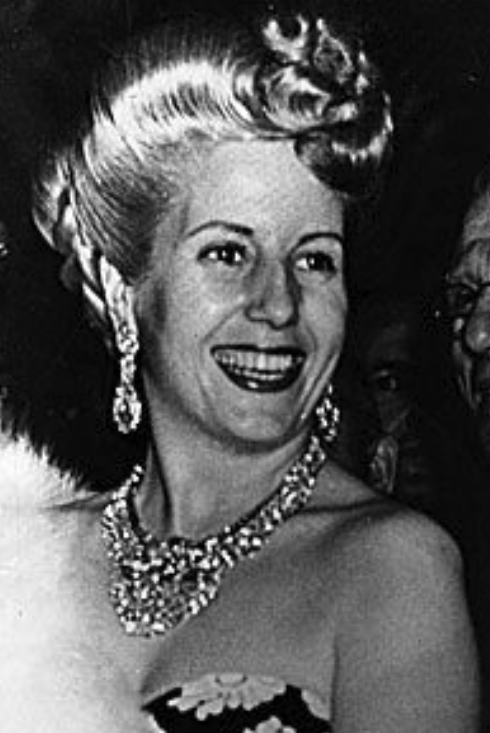
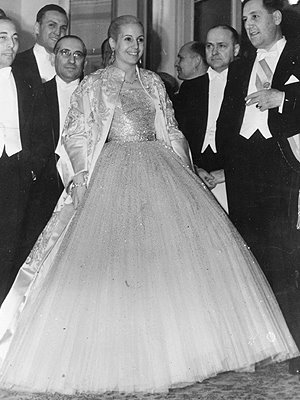
Evita used to wear exclusive clothes made by international designers and a lot of very expensive and precious jewellery...
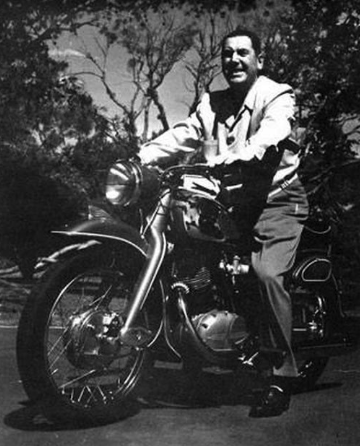
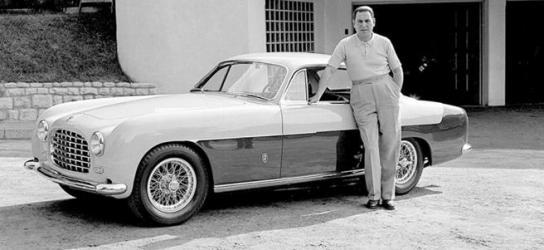
Peron used to drive around Buenos Aires with exclusive motorbikes and luxury cars like this Ferrari 212 Inter from ‘53...
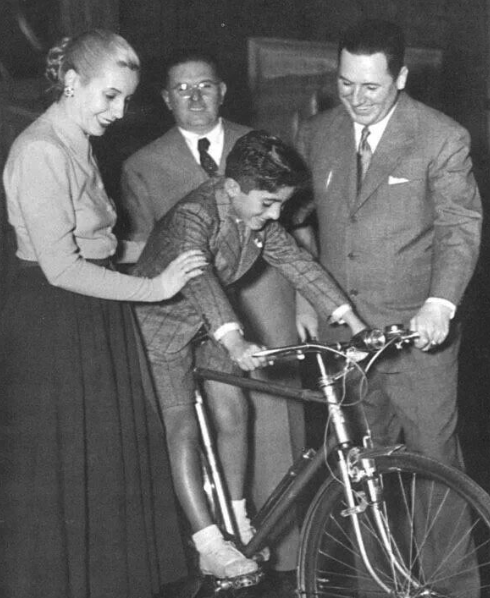
But they did give away ‘free’ bicycles and toys to the children...!
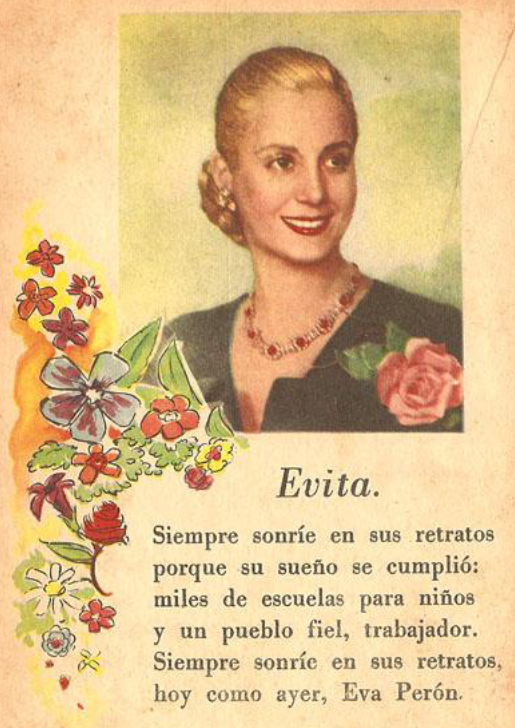
"She always smiles in her portraits
because his dream came true:
thousands of schools for children
and a faithful, hard-working people.
He always smiles in his portraits,
today as yesterday, Eva Perón"
My father, being a first grader at the time, learned in school that Juan Perón and Evita loved him. "Evita loves me" and “I love Evita” were the phrases he was taught to read and write day after day. School textbooks, with colourful pictures, stated that Juan Perón fed the pigeons in the Plaza de Mayo and that he was fighting against the imperialists.
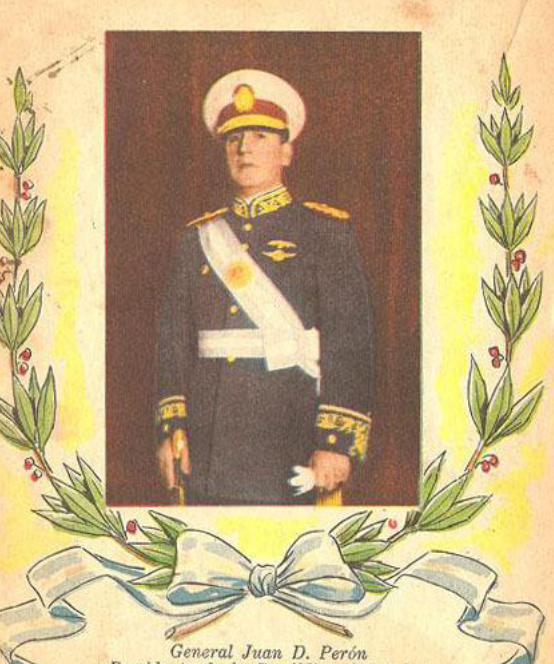
Almost every page of the textbooks deified General Perón and Evita as perfect beings, capable of caring for every child and family in Argentina.
It was an indoctrination from childhood for all Argentines.
They gave away toys, bicycles, food, houses and whatever it took to win votes.
Today, Peronism uses similar methods, printing fiat money and distributing it in various ways.
Sound familiar in your country?
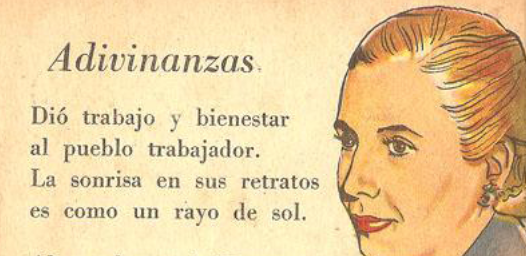
Riddles.
"He gave work and welfare
to the working people.
The smile in her portraits
is like a is like a is like a can of is like a can of is like a can of is like a can of is like a can of is like a can of is like a sunbeam."
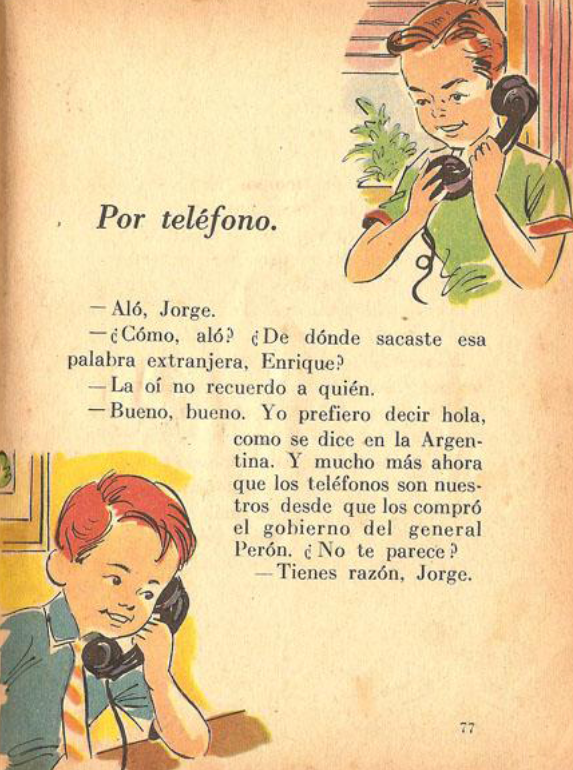
By telephone.
- Alo, Jorge.
-What, alo? -Where did you get the
foreign word, Enrique?
-I don't remember from whom.
- Well, well. I prefer to say hola, as they say in Argentina. And even more so now that the telephones are ours since General Perón's government bought them. Don't you think so?
- You are right. Jorge
The foreigner is bad and it is a good thing to ‘combat capital’. Peronism has an anthem and they would force children to sing it every morning. It is even sung to this day because of it’s catchy tunes by supporters and one of the main parts of the lyrics is ‘Combating the capital’. They combated capital, and capital went where it was treated best…
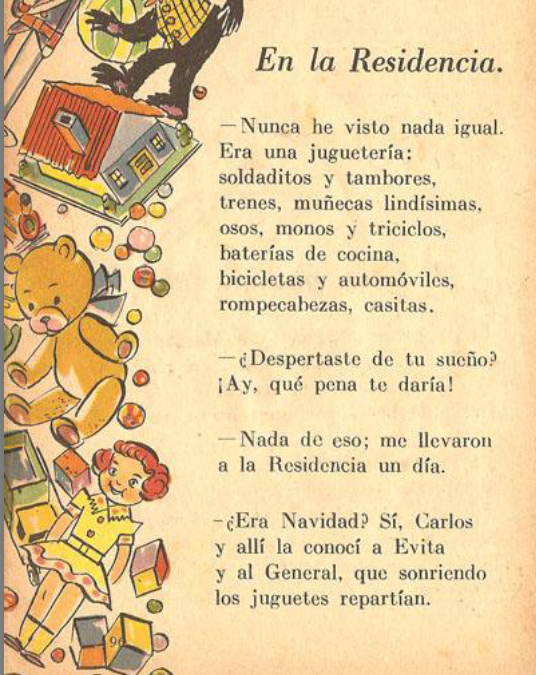
In the Residence.
- I have never seen anything like it.
It was a toy shop: toy soldiers and drums, trains, cute dolls, bears, monkeys and tricycles, kitchen sets, bicycles and cars, puzzles, little houses.
- Did you wake up from your dream?
Oh, what a shame!
- Nothing like that; they took me to the Residence one day.
-Was it Christmas? Yes. Carlos, and there I met Evita and the General, who were handing out toys with smiles on their faces.
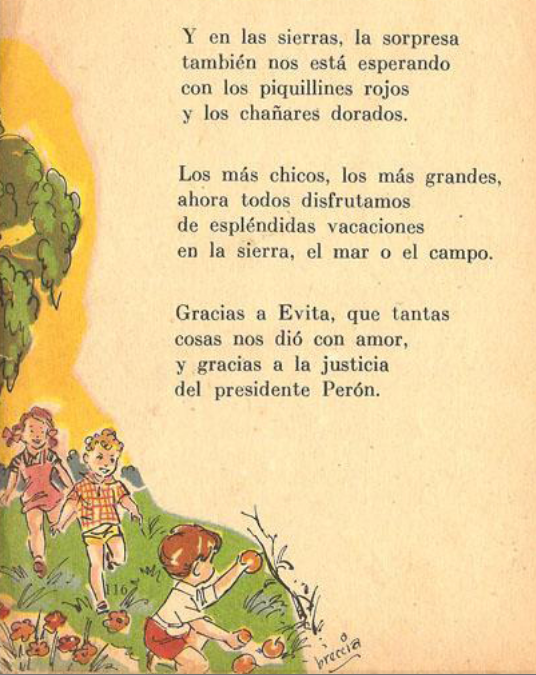
"And in the sierras, the surprise
is also waiting for us
with the red piquillines
and the golden chañares.
The youngest, the oldest,
now we all enjoy
splendid holidays
in the mountains, the sea or the countryside.
Thanks to Evita, who gave us
things she gave us with love,
and thanks to the justice
of President Perón."
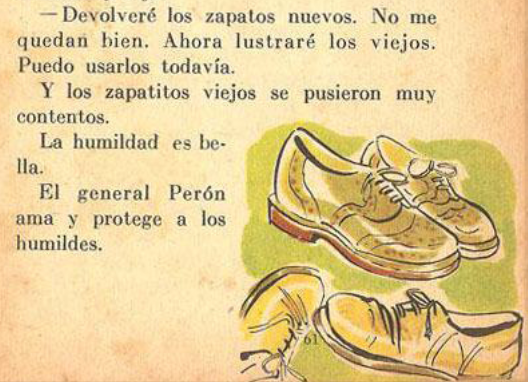
-I will return the new shoes. They don't
They don't fit. Now I'll polish the old ones.
I can still wear them.
And the old shoes were very happy.
Humility is beautiful.
General Perón loves and protects the humble.
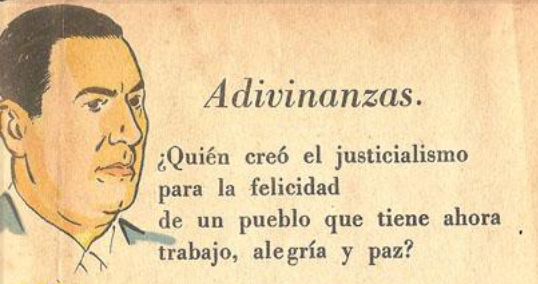
Riddles.
"Who created justicialism
for the happiness
of a people who now have
work, joy and peace?"
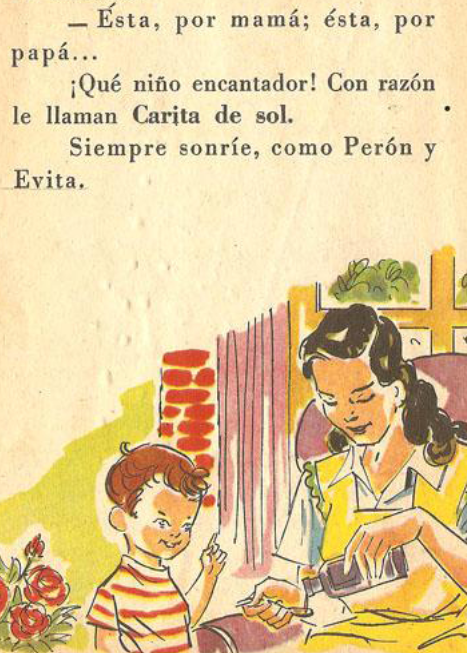
- This one, for mum; this one, for daddy.
-What a lovely boy! No wonder
they call him Sunny Face.
He always smiles, like Perón and Evita.
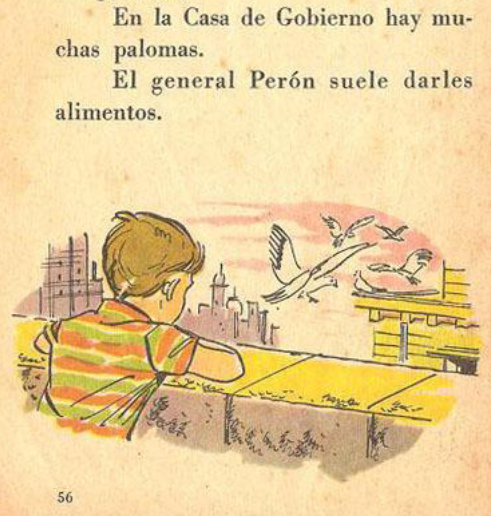
"There are many pigeons in Government House
General Perón often feeds them."
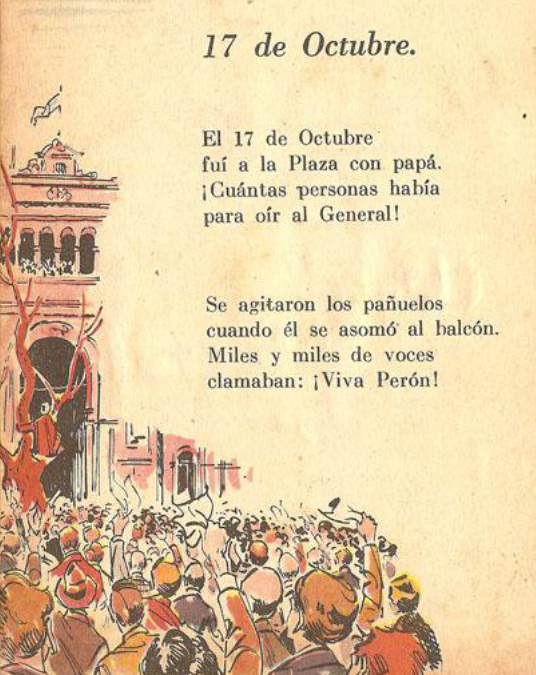
"On October 17th
I went to the Plaza with Dad.
How many people were there
to hear the General!
Handkerchiefs were waved
when he looked out over the bacon
Thousands and thousands of voices
cried out: Viva Perón!"
The foreigner is bad and it is a good thing to ‘combat capital’. Peronism has an anthem and they would force children to sing it every morning. It is even sung to this day because of it’s catchy tunes by supporters and one of the main parts of the lyrics is ‘Combating the capital’. They combated capital, and capital went where it was treated best…
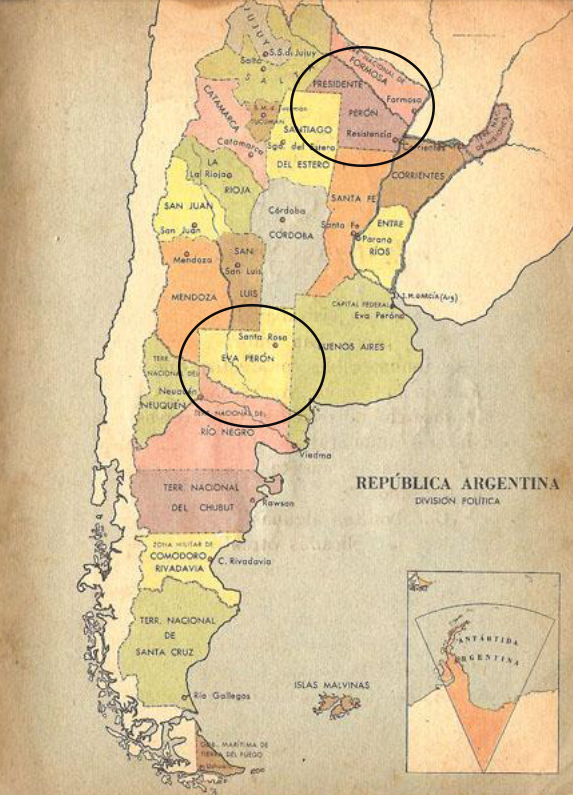
Peronism (fascism-colectivism) was inculcated in schools and families. In my own family, my grandfather got into a knife fight with his brother over political issues, at a typical Sunday family lunch, and they didn't speak to each other for decades. This was 'normal' in those divided societies. Socialism has to divide to rule; it is their system. A direct road to ruin an entire country. Two provinces (states) of the country were named with the name of Eva Perón and Juan Perón, only because they was born there.
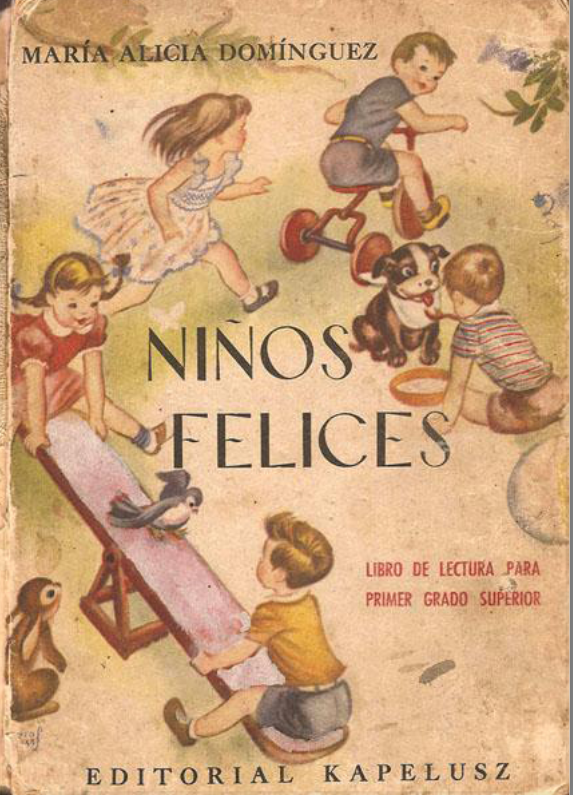
Images from the book ‘Niños Felices’ from 1953, Editorial Kapelusz. Written by María Alicia Dominguéz for public use in Argentina's schools. If you want to see the complete book in ‘librosperonistas.com’ click on this link:
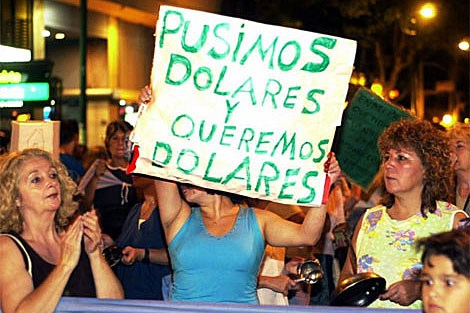
Corralito means 'little or tiny corral', a pen for livestock, as in the corral where you put animals on a farm. That is what this economic measure of the government was called. We woke up on December 1st, 2001, to the news that withdrawals from bank accounts were severely limited, capped at around 250 USD per week. All the rest of your pesos and dollars became trapped inside the banking system, where you could only pay with debit and credit cards, checks, or wire transfers. The minister of economy thought that since most economic transactions would pass through a bank, then tax revenues would go up. Sound familiar?
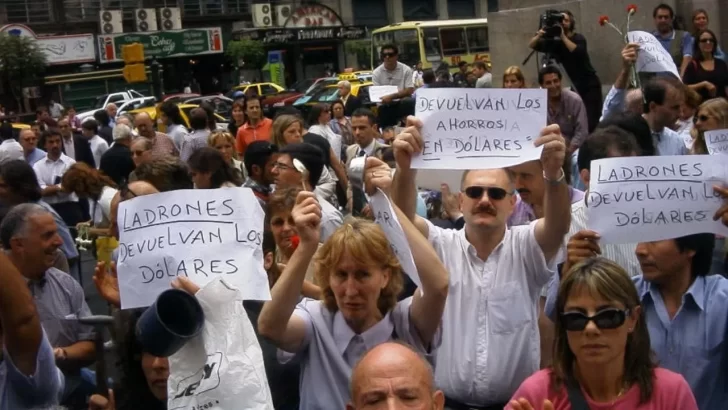
International wire transfers were also halted. Only a few thousand people managed to get their money out, as some resorted to the justice system and initiated an expedited judicial procedure known as ‘Appeal for protection’, in which a judge had to rule within 48 hours. There were some well-known judges who consistently ruled in favor of the savers. Once the judge granted a court order, it was given to you. Then, you had to find a policeman on the street and request his accompaniment to the bank to have the order enforced. Banks complied and paid only those savers who presented court orders.
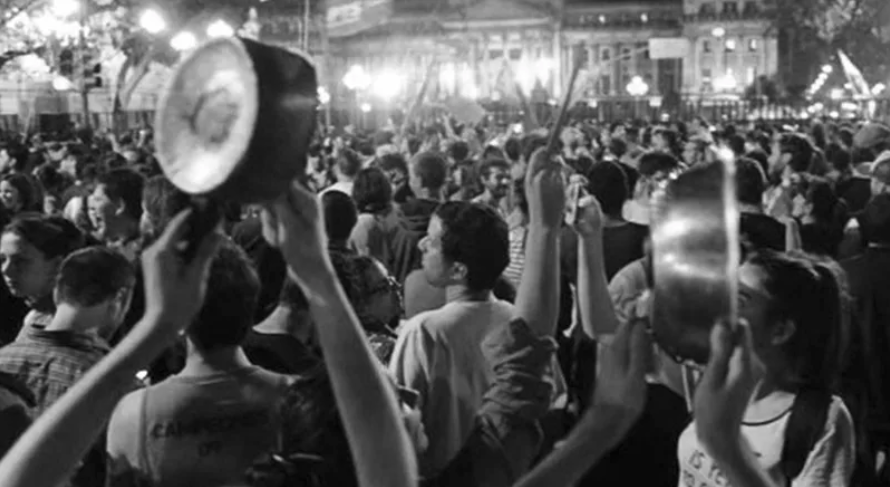
The banking "corralito" imposed on December 1, 2001, marked the beginning of one of the most tumultuous periods in recent Argentine history. This restrictive measure, which froze citizens' savings amid a severe economic crisis, triggered a series of events that led to an unprecedented political crisis.
Just 20 days after the "corralito" was implemented, the situation became untenable for then-President Fernando de la Rúa. The mounting pressure from popular protests, accompanied by riots and looting, forced him to resign from office. In a dramatic gesture symbolizing the extent of the crisis, De la Rúa left the Casa Rosada in a helicopter, a moment etched into the nation's collective memory.
The political crisis deepened further when, in the span of just two weeks, Argentina saw the succession of four different presidents. The instability and lack of political consensus led to a rapid rotation of leaders in a desperate attempt to restore order and confidence in the government. This chaotic transition period reflected the severity of the crisis and left an indelible mark on Argentine history.
Protest of Savers against Banks
DiFilm
Economic crisis - Financial ‘Corralito' - Cacerolazos - Bank taken 2001
DV-13605 DiFilm
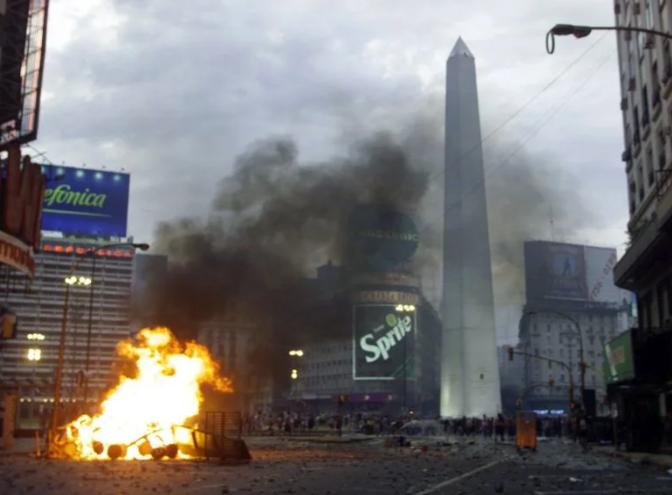
Then, the looting of supermarkets, trucks, and small shops began. Rumors swirled that the opposition leader had struck a deal with the provincial police to organize and allow the looting to occur without repercussions.
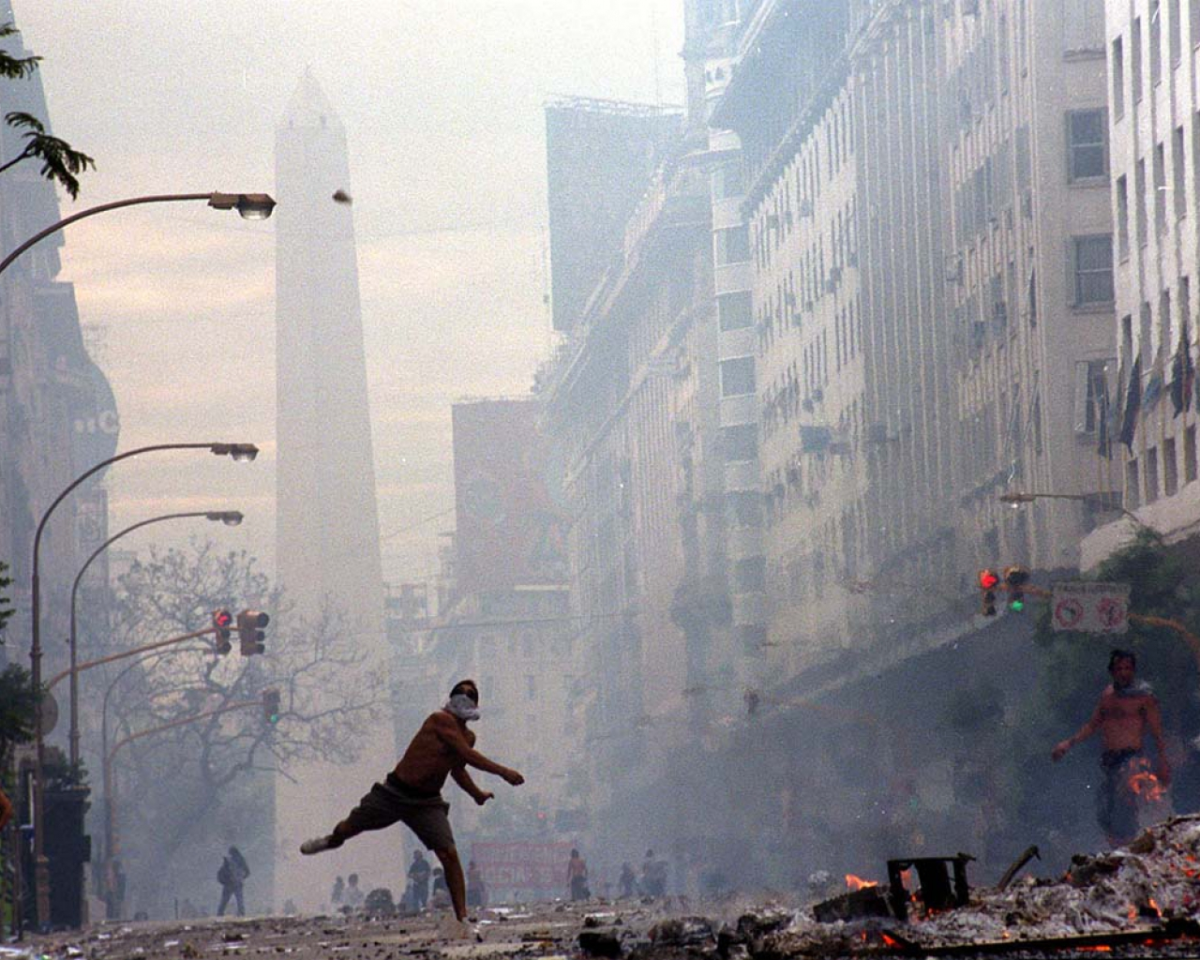
Some people became known as 'piqueteros' or picketers, protesting by blockading streets and bridges, burning tires, and disrupting the free flow of traffic and people. Some of them even demanded tolls to allow passage. Other citizens of good will helped by organizing popular pots, in which stews were given for free or at very low prices.
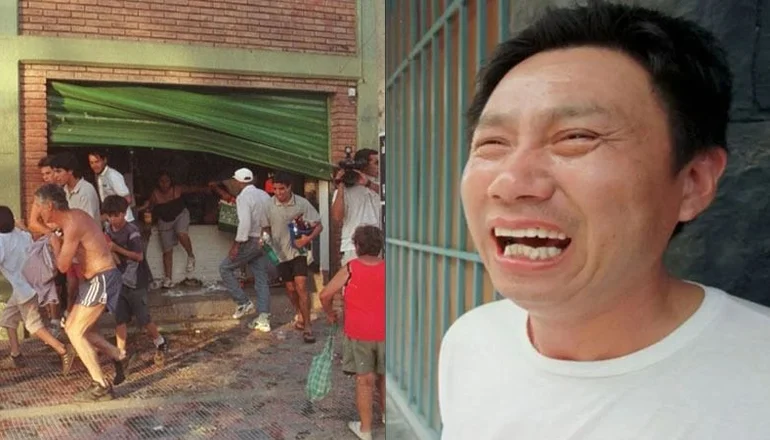
Since the 90s, many mini-markets have been operated by immigrants from East Asia. During the December looting, viewers across several TV channels witnessed the live ransacking of a shop owned by an oriental businessman, Wang Zhao. As his life's work was destroyed before his eyes, he was overcome with despair, releasing a heart-wrenching cry that resonated through the airwaves, capturing the nation's attention.
As many others, this shop owner lost everything on that fateful day, but has since gradually regained his footing over the years. Argentina often provides new opportunities…
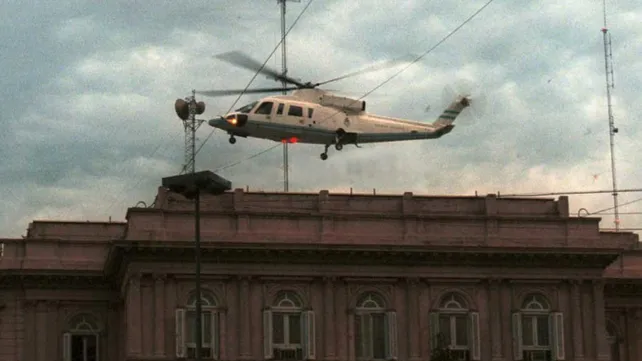
On December 20th, we all watched it live on TV: the presidential helicopter landed atop the roof of the Pink House (Argentina’s White House). President De La Rua announced his resignation, boarded the helicopter, and fled from the executive government building's roof. With the vice-president having resigned months before, the country was left without a president.
De la Rúa resigns and leaves by helicopter 5 December 2001
ABC NEWS TV